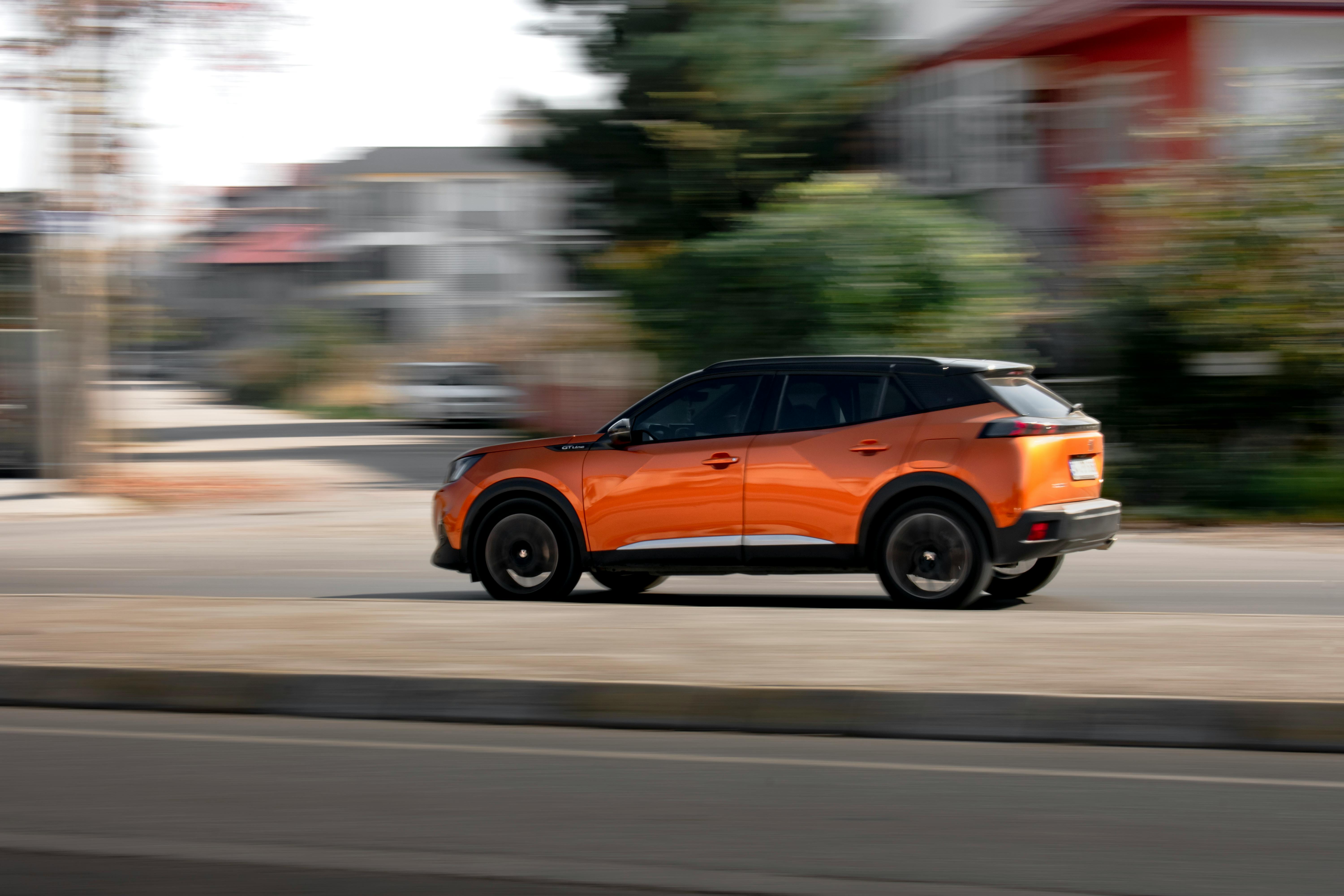
Finding the perfect driving course for your needs
This guide breaks down different course types and helps you pick the one that matches your goals

Why choosing the right course matters
Not all driving courses are created equal, and choosing the wrong one can cost you time, money, and confidence. Whether you're a complete beginner, a nervous driver looking to rebuild, or someone preparing for a specific test, there's a course designed exactly for your situation. Knowing the difference helps you invest your time and money where it counts most.
Why it matters
The right course doesn't just teach you to drive, it teaches you to drive well, safely, and with confidence that lasts. A mismatched course can leave gaps in your knowledge, slow your progress, or simply not address what's holding you back. Taking the time to find the right fit from the start makes every lesson more effective and every hour behind the wheel count.
Types of driving courses
1. Standard beginner course
Covers vehicle control, road rules, basic maneuvers, and test preparation. The perfect starting point for any new driver.
2. Intensive or fast-track course
Ideal for those wanting to progress quickly or with a test date approaching. More frequent lessons compress the learning journey.
3. Refresher course
For drivers who've been off the road or want to rebuild confidence. Sessions target where skills have lapsed at your own pace.
4. Defensive driving course
Covers hazard awareness, risk management, and advanced techniques. For any driver wanting safer, smarter long-term habits.
5. Test preparation course
Covers maneuvers, routes, and examiner expectations in detail. Ideal for those wanting to fine-tune their skills before test day.

Benefits of picking the right course
Faster progress: targeted learning means less time spent on things you don't need.
Better value: the right course avoids wasted lessons and unnecessary repetition.
Higher confidence: learning at the right level keeps you motivated and engaged.
Improved pass rate: courses matched to your needs produce better test results.
Long-term safety: the right foundation builds habits that keep you safe for life.
How to choose
Assess your level: be honest about where you are, beginner, returning, or nearly test-ready.
Define your goal: are you aiming to pass a test, rebuild confidence, or simply improve.
Consider your schedule: some courses suit flexible learners, others suit intensive study.
Ask questions: a good driving school will help match you to the right course without pressure.
Conclusion
There's no one-size-fits-all answer, but there is a right one for you. Understanding what each course offers and being honest about your needs will get you driving safely and confidently in the shortest time.
Find your course. Own the road.
Why choosing the right course matters
Not all driving courses are created equal, and choosing the wrong one can cost you time, money, and confidence. Whether you're a complete beginner, a nervous driver looking to rebuild, or someone preparing for a specific test, there's a course designed exactly for your situation. Knowing the difference helps you invest your time and money where it counts most.
Why it matters
The right course doesn't just teach you to drive, it teaches you to drive well, safely, and with confidence that lasts. A mismatched course can leave gaps in your knowledge, slow your progress, or simply not address what's holding you back. Taking the time to find the right fit from the start makes every lesson more effective and every hour behind the wheel count.
Types of driving courses
1. Standard beginner course
Covers vehicle control, road rules, basic maneuvers, and test preparation. The perfect starting point for any new driver.
2. Intensive or fast-track course
Ideal for those wanting to progress quickly or with a test date approaching. More frequent lessons compress the learning journey.
3. Refresher course
For drivers who've been off the road or want to rebuild confidence. Sessions target where skills have lapsed at your own pace.
4. Defensive driving course
Covers hazard awareness, risk management, and advanced techniques. For any driver wanting safer, smarter long-term habits.
5. Test preparation course
Covers maneuvers, routes, and examiner expectations in detail. Ideal for those wanting to fine-tune their skills before test day.
Benefits of picking the right course
Faster progress: targeted learning means less time spent on things you don't need.
Better value: the right course avoids wasted lessons and unnecessary repetition.
Higher confidence: learning at the right level keeps you motivated and engaged.
Improved pass rate: courses matched to your needs produce better test results.
Long-term safety: the right foundation builds habits that keep you safe for life.
How to choose
Assess your level: be honest about where you are, beginner, returning, or nearly test-ready.
Define your goal: are you aiming to pass a test, rebuild confidence, or simply improve.
Consider your schedule: some courses suit flexible learners, others suit intensive study.
Ask questions: a good driving school will help match you to the right course without pressure.
Conclusion
There's no one-size-fits-all answer, but there is a right one for you. Understanding what each course offers and being honest about your needs will get you driving safely and confidently in the shortest time.
Find your course. Own the road.
Take the first step toward driving with confidence and freedom
Take the first step toward driving with confidence and freedom
Take the first step toward driving with confidence and freedom